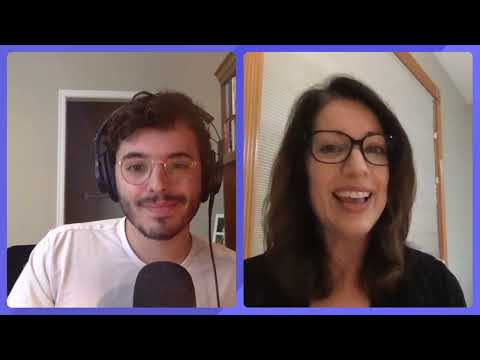
Gender Identity, Sexuality, and LGBTQ+ Mental Health with Daniel Lechleiter
How do the stories we learn about gender and sexuality shape identity, mental health, relationships, and the way people understand themselves? In this episode, licensed professional counselor Josh Korac speaks with therapist Daniel Lechleiter about gender identity, sexual orientation, LGBTQ+ mental health, gender dysphoria, minority stress, and the cultural narratives that influence how people make sense of who they are. Daniel explains how his background in English and storytelling informs his work as a counselor. The language available to us can shape which identities and experiences feel understandable, acceptable, or possible. Josh and Daniel discuss how examining personal and cultural narratives may help people question messages they have received about gender roles, sexuality, relationships, and belonging. The conversation also looks at Colorado’s history as the “Hate State,” a label connected to the passage of Amendment 2 in 1992, which restricted protections for gay, lesbian, and bisexual people before being struck down by the U.S. Supreme Court. Josh and Daniel discuss how discrimination, rejection, stigma, and lack of affirming support can affect mental health within LGBTQ+ communities. They explore elevated risks involving depression, anxiety, substance use, and suicide, while emphasizing that LGBTQ+ identities are not themselves mental illnesses. Much of the risk comes from minority stress, including prejudice, concealment, family rejection, harassment, violence, and barriers to appropriate care. Daniel also discusses gender dysphoria, the distinction between identity and distress, and the importance of allowing clients to explore their experiences without pressure. The episode considers how affirming therapy can support autonomy, safety, self-understanding, and healthier relationships. Josh and Daniel also touch on domestic violence treatment and the importance of accountability, context, and avoiding stereotypes when discussing abuse. They examine how power, control, identity, and social expectations can affect relationships across different communities. In this episode, you will learn about: • The difference between gender identity and sexual orientation • How cultural narratives shape identity and belonging • LGBTQ+ mental health and minority stress • Why LGBTQ+ identity is not a mental illness • Family rejection, stigma, and barriers to support • Gender dysphoria and identity exploration • Suicide and substance-use risk within LGBTQ+ communities • The role of affirming and collaborative therapy • Colorado’s history as the “Hate State” • How an English and storytelling background can support counseling • Power, control, and domestic violence treatment • Creating space for clients to define their own experiences Daniel Lechleiter is a licensed professional counselor, approved clinical supervisor, and founder of Aspen Summit Wellness & Counseling in Greeley, Colorado. His clinical work includes LGBTQ+ identity, transgender and nonbinary concerns, ADHD, depression, anxiety, trauma, relationships, and domestic violence. He holds a bachelor’s degree in English and a master’s degree in clinical counseling from the University of Northern Colorado. Learn more about Daniel at aspenswc.com. Josh Korac is a licensed professional counselor in Colorado who specializes in trauma, family estrangement, loneliness, and complex relationship concerns. He is also the Lead Moderator of Estrangement.com. Learn more about Josh at joshuakorac.com. Content note: This episode includes discussion of suicide, substance use, discrimination, domestic violence, and mental health concerns affecting LGBTQ+ people. This podcast is for educational purposes and does not constitute mental health treatment, diagnosis, crisis intervention, or an established therapeutic relationship. If you or someone else may be in immediate danger, call 911. In the United States, call or text 988 to reach the Suicide & Crisis Lifeline.