
Joshua Korac Podcast
Conversations about mental health, relationships, trauma, and personal growth, grounded in psychology and real life.
Conversations About Mental Health, Relationships, and Growth
This podcast explores mental health, relationships, trauma, loneliness, and personal growth through conversations and therapeutic insight.
Hosted by Joshua Korac, a licensed psychotherapist, each episode blends psychology with real world reflection to help listeners better understand their emotions, relationships, and patterns.
Whether you are navigating family estrangement, relationship struggles, or simply trying to live a more meaningful life, this podcast offers insight, clarity, and connection.
-
 5/17/24
Wingtip with Nick Perloff-Giles
How do artists stay connected to their identity when creativity becomes a career?
In this episode, licensed professional counselor Josh Korac speaks with singer, songwriter, producer, and multi-instrumentalist Nick Perloff-Giles, better known as Wingtip, about imposter syndrome, creative identity, career setbacks, heartbreak, touring, and mental health in the music industry.
Nick reflects on the unexpected path that took him from working as a DJ to developing a more personal and emotionally honest sound as Wingtip. He discusses the pressure to succeed, compare yourself with other artists, and keep creating in an industry where progress is rarely predictable.
Josh and Nick explore how music can become closely connected to a person’s identity and self-worth. They discuss what happens when a creative project struggles, how artists adapt when their careers change direction, and why taking creative risks can require both confidence and vulnerability.
The conversation also looks at the emotional experiences behind Nick’s songwriting, including love, heartbreak, relationships, humor, and self-reflection. Nick shares the story behind “Hope They Love You” and discusses how touring, performance, travel, and time away from home can affect mental health.
In this episode, you will learn about:
• Imposter syndrome in the music industry
• Separating your identity from your career or creative work
• Responding to disappointment and career setbacks
• The pressure to compare yourself with other artists
• Taking creative risks and experimenting with new styles
• Becoming more personal and emotionally honest in your work
• How heartbreak and relationships influence songwriting
• The story and meaning behind “Hope They Love You”
• How touring can affect stress, mood, and mental health
• Balancing ambition with emotional well-being
• Adapting when life and work do not follow a linear path
• Using humor and self-awareness in creative expressionWingtip is the artist project of singer, songwriter, multi-instrumentalist, and producer Nick Perloff-Giles. His music blends pop, alternative, electronic, and rock influences while exploring relationships, identity, change, and emotional experience.
His breakout song “Rewind” has received millions of streams, and he has also released music including “Heartworks,” “Happiness,” “Strangers,” “Demons,” and “Mr. 29.” In addition to his work as Wingtip, Nick has collaborated as a songwriter with other artists, including Céline Dion and Lauv.
Follow Wingtip at @wingtipmusic and listen to his music on your preferred streaming platform.
About the host:
Josh Korac is a licensed professional counselor in Colorado who specializes in trauma, family estrangement, loneliness, and complex relationship concerns. He is also the Lead Moderator of Estrangement.com, where he has worked with thousands of adult children and parents affected by family estrangement.
Learn more about Josh and his therapy practice at joshuakorac.com.
This podcast is provided for educational purposes and does not constitute mental health treatment, diagnosis, career counseling, or an established therapeutic relationship. If you are experiencing a mental health crisis in the United States, call or text 988 or go to your nearest emergency room.
-
 1/29/24
Human Trafficking, Exploitation, and Prevention with iEmpathize Founder Brad Riley
What is human trafficking, how does exploitation happen, and what can ordinary people do to help prevent it? In this episode, licensed professional counselor Josh Korac speaks with Brad Riley, founder of iEmpathize, about sex trafficking, labor trafficking, exploitation, vulnerability, prevention, and the role of empathy in protecting young people. Brad explains that human trafficking involves exploiting another person for sex or labor through force, fraud, or coercion. It can happen across countries, in large cities, in small communities, and in places that may appear safe from the outside. Josh and Brad discuss why trafficking is often misunderstood and why awareness must go beyond dramatic stereotypes. The conversation explores how traffickers identify and manipulate vulnerability. They may use romantic attention, promises of safety or opportunity, emotional pressure, money, housing, or other forms of control. Josh and Brad also discuss how pornography, cultural attitudes, economic hardship, isolation, and unmet relational needs may intersect with exploitation. Brad describes the prevention work of iEmpathize, a human-rights nonprofit that equips adults and empowers young people to recognize exploitation, build protective skills, and respond with empathy. He explains how education, media, outreach programs, and partnerships can help communities identify warning signs and respond more effectively. Josh also reflects on volunteering with iEmpathize in Mexico during high school and meeting survivors of trafficking. He shares how those experiences influenced his development as a therapist and changed the way he understood trauma, vulnerability, and human dignity. In this episode, you will learn about: • What sex trafficking and labor trafficking are • How force, fraud, and coercion are used • Common myths about human trafficking • Why trafficking can happen in any community • How traffickers exploit vulnerability and trust • The role of grooming, manipulation, and false promises • How pornography may intersect with exploitation • Why awareness and prevention education matter • Challenges within the legal and judicial systems • Why trafficking survivors may be treated like offenders • How businesses, schools, transportation workers, and communities can help • The importance of collaboration and long-term systemic change • Practical ways individuals can support anti-trafficking efforts Brad Riley is an activist, award-winning filmmaker, media producer, and founder of iEmpathize. His work focuses on preventing exploitation and equipping young people and adults with the knowledge and tools to recognize and respond to trafficking. His projects have received international attention through film festivals, human-rights organizations, the Nobel Peace Prize Forum, and the United Nations. Learn more about iEmpathize and its prevention resources at iempathize.org. Josh Korac is a licensed professional counselor in Colorado who specializes in trauma, family estrangement, loneliness, and complex relationship concerns. He is also the Lead Moderator of Estrangement.com. Learn more about Josh at joshuakorac.com. Content note: This episode includes discussion of sex trafficking, labor trafficking, child exploitation, pornography, coercion, and trauma. This podcast is for educational purposes and does not constitute mental health treatment, legal advice, or crisis intervention. If you believe someone is in immediate danger, contact emergency services. In the United States, the National Human Trafficking Hotline is available at 1-888-373-7888 or by texting 233733.
-
 1/2/24
What Is Normal? Mental Health Diagnosis and Medication Stigma with Dr. David Rettew
What does “normal” mean in mental health, and how do clinicians decide when a personality trait becomes a psychiatric disorder? In this episode, licensed professional counselor Josh Korac speaks with child and adolescent psychiatrist Dr. David Rettew about psychiatric diagnosis, medication stigma, overdiagnosis, underdiagnosis, and the difference between ordinary human variation and clinically significant impairment. Dr. Rettew explains that mental health exists on a spectrum. Traits such as anxiety, distractibility, moodiness, impulsivity, or emotional sensitivity can be part of a person’s temperament without automatically indicating a disorder. Diagnosis becomes more relevant when symptoms are persistent, cause significant distress, or interfere with relationships, school, work, or daily life. Josh and Dr. Rettew discuss why diagnostic categories can be both helpful and limiting. A diagnosis may give someone language for their experience, reduce confusion, guide treatment, and provide access to services. At the same time, psychiatric labels can feel stigmatizing, oversimplify a person, or create the impression that there is a clear line between being “normal” and mentally ill. They also examine the risks of both overdiagnosing and underdiagnosing mental health conditions. Social media, insurance requirements, cultural expectations, limited appointment time, and differences between clinicians can all affect how symptoms are interpreted. Dr. Rettew describes why a thorough assessment should consider temperament, development, environment, family history, functioning, and the full context of a person’s life. The conversation also explores psychiatric medication. Dr. Rettew discusses medication stigma, the limits of a medication-only approach, and why treatment decisions should be individualized. Medication may be helpful for some people, but it is only one possible part of care and does not replace therapy, relationships, healthy routines, or attention to environmental stressors. In this episode, you will learn about: • How clinicians define psychiatric disorders • The difference between personality traits and mental health symptoms • Why mental health exists on a continuum • When distress or impairment may support a diagnosis • The benefits and limitations of diagnostic labels • Why psychiatric conditions may be overdiagnosed or underdiagnosed • How social media can influence self-diagnosis • The role of insurance in mental health diagnosis • Temperament, personality, and individual differences • Medication stigma and the limits of medication-only treatment • Why mental health assessment requires context • Moving beyond the idea of a single definition of “normal” Dr. David Rettew is a child and adolescent psychiatrist and medical director of Lane County Behavioral Health in Eugene, Oregon. He previously served as an associate professor at the University of Vermont Larner College of Medicine. Dr. Rettew has published more than 100 journal articles, chapters, and scientific abstracts on child mental health. He is the author of Child Temperament: New Thinking About the Boundary Between Traits and Illness and Parenting Made Complicated: What Science Really Knows About the Greatest Debates of Early Childhood. He also writes “The ABCs of Child Psychiatry” for Psychology Today. Josh Korac is a licensed professional counselor in Colorado who specializes in trauma, family estrangement, loneliness, and complex relationship concerns. He is also the Lead Moderator of Estrangement.com. Learn more about Josh at joshuakorac.com. This podcast is for educational purposes and does not constitute medical advice, mental health treatment, diagnosis, or an established therapeutic relationship. Do not start, stop, or change psychiatric medication without consulting a qualified healthcare professional.
-
 12/3/23
Befriending Your Body: Self-Compassion, Body Image and Disordered Eating with Dr. Ann Saffi Biasetti
How can you rebuild trust with your body when food, body image, or self-criticism have become a source of distress? In this episode, licensed professional counselor Josh Korac speaks with psychotherapist, author, and embodiment specialist Dr. Ann Saffi Biasetti about disordered eating, body image, self-compassion, yoga, and the role of the body in emotional healing. Ann explains how many people become disconnected from their bodies through shame, trauma, dieting, self-judgment, or repeated efforts to control their appearance. Rather than treating the body as a problem that must be fixed, she encourages listeners to develop a more compassionate and trusting relationship with it. Josh and Ann explore the practice of embodiment, which involves noticing physical sensations, emotions, and internal cues with curiosity rather than criticism. They discuss how body awareness, mindfulness, movement, and somatic therapy can help people better understand their needs and feel more present in their lives. The conversation also examines how self-compassion can support recovery from disordered eating and body-image concerns. Instead of relying on shame or punishment to create change, Ann describes how kindness, patience, and nervous-system regulation can help people move toward a more sustainable relationship with food, movement, and themselves. In this episode, you will learn about: • What it means to befriend your body • How shame and self-criticism can affect body image • The relationship between trauma, the nervous system, and disordered eating • Why people may become disconnected from physical sensations and needs • Embodiment and learning to feel more present in your body • How interoceptive awareness can help you notice internal cues • The role of self-compassion in eating-disorder recovery • Moving away from punishment, control, and body judgment • Yoga and mindful movement as tools for body awareness • How somatic therapy supports emotional healing • Rebuilding trust with hunger, fullness, rest, and other body signals • Developing a kinder and more respectful relationship with yourself Dr. Ann Saffi Biasetti is a licensed clinical social worker, psychotherapist, author, yoga therapist, mindfulness teacher, and eating-disorder specialist with more than 30 years of clinical experience. Her work integrates somatic psychotherapy, self-compassion, mindfulness, nervous-system regulation, and embodiment. She is the author of Befriending Your Body: A Self-Compassionate Approach to Freeing Yourself from Disordered Eating and the creator of the Befriending Your Body Program, a trauma-informed somatic self-compassion program for people experiencing eating disorders, disordered eating, and body-image concerns. Learn more about Ann and her work through An Embodied Life and the Befriending Your Body Program. About the host: Josh Korac is a licensed professional counselor in Colorado who specializes in trauma, family estrangement, loneliness, and complex relationship concerns. He is also the Lead Moderator of Estrangement.com, where he has worked with thousands of adult children and parents affected by family estrangement. Learn more about Josh and his therapy practice at joshuakorac.com. Content note: This episode includes discussion of eating disorders, disordered eating, trauma, and body-image concerns. Please consider your well-being before listening. This podcast is provided for educational purposes and does not constitute mental health treatment, diagnosis, nutritional advice, or an established therapeutic relationship. If you are experiencing a mental health crisis in the United States, call or text 988 or go to your nearest emergency room.
-
 12/26/23
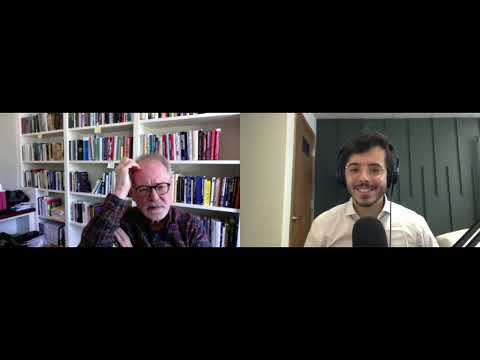
The Chemical Imbalance Theory: Mental Health Diagnosis, Medication & Suffering with Dr. Joseph Davis
Does emotional suffering always come from a chemical imbalance, or do we need a broader way to understand mental health? In this episode, licensed professional counselor Josh Korac speaks with sociologist and author Dr. Joseph E. Davis about psychiatric diagnosis, mental health medication, medicalization, cultural expectations, and the ways we explain emotional suffering. Dr. Davis examines the rise of biological explanations for mental health concerns and the popular idea that distress is caused by a chemical imbalance in the brain. He discusses why this explanation can feel validating and reduce blame, while also potentially narrowing how people understand their emotions, relationships, circumstances, and personal histories. Josh and Dr. Davis explore the benefits and limitations of mental health diagnoses. A diagnosis can help people name their experiences, access treatment, and feel less alone. At the same time, diagnostic labels can sometimes make complex experiences appear more fixed, individual, or biological than they really are. The conversation also looks at medication from a nuanced perspective. Psychiatric medications may provide meaningful relief, especially during periods of severe or acute distress. However, symptom relief does not always explain why someone is suffering or address the relational, social, cultural, and situational factors affecting their well-being. In this episode, you will learn about: • The history and influence of the chemical imbalance theory • Biological explanations for depression, anxiety, and other mental health concerns • The benefits and limitations of psychiatric diagnosis • How diagnostic labels can shape identity and self-understanding • The difference between relieving symptoms and understanding suffering • How medication may help during acute periods of distress • Why mental health concerns cannot always be reduced to brain chemistry • The influence of pharmaceutical advertising on public beliefs • How cultural expectations shape ideas about happiness and normality • Medicalization and the treatment of ordinary suffering • The pressure to control emotions and achieve self-mastery • Why asking “What happened?” and “Why?” can be clinically important • Understanding distress within a person’s relationships and circumstances • Combining biological, psychological, relational, and social perspectives Dr. Joseph E. Davis is a research professor of sociology and director of the Picturing the Human Project at the University of Virginia’s Institute for Advanced Studies in Culture. His research examines identity, morality, cultural change, psychiatry, medicine, trauma, psychoactive medication, technology, aging, and the ways societies understand human suffering. He is the author of Chemically Imbalanced: Everyday Suffering, Medication, and Our Troubled Quest for Self-Mastery. He has also written and edited books including The Evening of Life and To Fix or to Heal. Chapters: 00:00 Introduction and background 03:00 The concept of the person in sociology 06:35 The influence of diagnoses and labels 11:46 Limitations of diagnosis and categorization 17:15 Drug advertising and cultural expectations 23:12 Narrow definitions of normality 30:57 Freedom, responsibility, and the experience of failure 39:10 Tolerance, difference, and social conformity 45:48 Explanations for suffering and the role of choice 49:43 Biological components of mental health conditions 52:05 The logic behind medication for brain disorders 53:08 Medication during acute periods of distress 54:07 Why asking “why” still matters About the host: Josh Korac is a licensed professional counselor in Colorado who specializes in trauma, family estrangement, loneliness, and complex relationship concerns. He is also the Lead Moderator of Estrangement.com, where he has worked with thousands of adult children and parents affected by family estrangement. Learn more about Josh and his therapy practice at joshuakorac.com. This episode includes discussion of psychiatric diagnosis and medication. Decisions about starting, changing, or stopping medication should be made with a qualified medical professional. This podcast is provided for educational purposes and does not constitute mental health treatment, medical advice, diagnosis, or an established therapeutic relationship. If you are experiencing a mental health crisis in the United States, call or text 988 or go to your nearest emergency room.
-
 11/28/23
Clinical Hypnosis for Healing: Trauma, Anxiety, and Chronic Symptoms with Dr. Ran Anbar
Can clinical hypnosis help people manage anxiety, trauma, pain, chronic symptoms, or other emotional and physical concerns? In this episode, licensed professional counselor Josh Korac speaks with pediatric pulmonologist and clinical hypnosis specialist Dr. Ran Anbar about what hypnosis is, how it works, and how it may support healing. Dr. Anbar explains that clinical hypnosis is not mind control. It is a focused state of attention that can help people use relaxation, imagination, language, and internal awareness to influence emotional distress and physical symptoms. Rather than taking control away from the patient, therapeutic hypnosis aims to increase a person’s sense of agency. Josh and Dr. Anbar discuss how hypnosis may be used with anxiety, chronic pain, breathing difficulties, functional symptoms, trauma-related concerns, and other conditions. They explore techniques such as guided imagery, relaxation, positive self-talk, and noticing the relationship between thoughts, emotions, and physical sensations. The conversation also examines the subconscious mind. Dr. Anbar describes it as a possible source of creativity, insight, and problem-solving. Hypnosis may help some people access perspectives or internal resources that are difficult to reach through ordinary conscious thinking. Josh and Dr. Anbar also discuss the power of language. The words used by clinicians, parents, and patients can affect expectations, confidence, and the way someone understands symptoms. Supportive language may increase hope and agency, while frightening or overly limiting messages may unintentionally increase distress. They address common misconceptions about hypnosis, including fears about losing control, revealing private information, or being forced to act against your values. Dr. Anbar explains the difference between clinical hypnosis and stage hypnosis, and why trust, consent, collaboration, and appropriate training matter. The episode also explores hypnosis and trauma. Hypnosis may help some people approach difficult memories or emotional experiences with greater distance and safety, but this work requires caution. Josh and Dr. Anbar discuss dissociation, internal voices, memory, and the importance of treating the whole person rather than focusing only on a diagnosis. In this episode, you will learn about: • What clinical hypnosis is and how it works • The difference between therapeutic and stage hypnosis • Why hypnosis does not require giving up control • Relaxation, guided imagery, and positive self-talk • Hypnosis for anxiety, pain, and chronic symptoms • The connection between emotions and physical sensations • How language and expectations can affect healing • The subconscious mind as a source of creativity and insight • The role of trust, consent, and collaboration • Hypnosis, trauma, dissociation, and emotional safety Dr. Ran Anbar is board certified in pediatric pulmonology and general pediatrics. He is a fellow and approved consultant of the American Society of Clinical Hypnosis and has used clinical hypnosis with thousands of children. He previously served as a professor of pediatrics and medicine and director of pediatric pulmonology at SUNY Upstate Medical University. He is the author of Changing Children’s Lives with Hypnosis: A Journey to the Center. Learn more about Dr. Anbar at centerpointhypnosis.com. Josh Korac is a licensed professional counselor in Colorado who specializes in trauma, family estrangement, loneliness, and complex relationship concerns. He is also the Lead Moderator of Estrangement.com. Learn more about Josh at joshuakorac.com. This podcast is for educational purposes and does not constitute medical advice, mental health treatment, diagnosis, or an established therapeutic relationship. Hypnosis may not be appropriate for every person or condition. Consult a qualified healthcare professional before making treatment decisions.
-
 11/27/23
What Is Love? Connection, Meaning, and Shared Humanity with Scotte Burns
What is love, and how do people recognize it across different cultures, communities, relationships, and ways of life? In this episode, licensed professional counselor Josh Korac speaks with writer, educator, and adventurer Scotte Burns about Journeys to Love, a multimedia project created with his wife, Toni, to explore the nature, meaning, and experience of love. Scotte shares how one simple question, “What is love?”, became a years-long journey across the United States. Traveling by motorcycle through 48 states, Scotte and Toni gathered stories from people with different backgrounds, beliefs, identities, and life experiences. Their goal was not to find one narrow definition, but to understand what people have in common when they experience love, belonging, grief, meaning, and connection. Josh and Scotte discuss love as more than a feeling or romantic experience. Scotte describes love as a kind of human sense that helps people recognize connection, value, and shared humanity. They explore how love may appear through acknowledgment, attention, service, sacrifice, curiosity, and the willingness to see another person more fully. The conversation also examines the relationship between love and consciousness. Scotte reflects on whether love helps people move beyond isolation and recognize that they are part of something larger than themselves. Josh and Scotte discuss collective consciousness, meaning-making, spirituality, and the limits of understanding love through psychology alone. They also explore grief as a disruption in a person’s experience of love and connection. When someone or something deeply meaningful is lost, grief may feel like the sudden absence of a familiar way of sensing the world. Scotte discusses how love can remain present through memory, relationship, and the meaning we continue to carry. In this episode, you will learn about: • The origins of the Journeys to Love project • How people define and experience love differently • What diverse communities may share in their understanding of love • Love as connection, acknowledgment, and shared humanity • The relationship between love, meaning, and consciousness • Why love may be more than an emotion • How travel and storytelling can challenge assumptions • Finding love in unexpected people and places • The relationship between grief and lost connection • How everyday acts can communicate care and belonging • Why listening to another person’s story matters • The possibility that love reminds us we are not alone Scotte Burns is a writer, adventurer, and longtime English, creative writing, and geosciences educator. Alongside his wife, Toni, he created Journeys to Love to document stories about the nature, meaning, and unity of love. Their travels have taken them more than 100,000 miles through 48 states while meeting people from a wide range of American cultures and communities. Learn more through the Journeys to Love YouTube channel and follow the project at @journeys_to_love. Josh Korac is a licensed professional counselor in Colorado who specializes in trauma, family estrangement, loneliness, and complex relationship concerns. He is also the Lead Moderator of Estrangement.com. Learn more about Josh at joshuakorac.com. This podcast is for educational purposes and does not constitute mental health treatment, diagnosis, spiritual direction, or an established therapeutic relationship.
-
 11/26/23
ADHD, Anxiety, and Self-Worth: Creativity, Comparison, and Mental Health with Caroline Moorin
How can ADHD, anxiety, depression, bullying, and comparison shape a young adult’s sense of identity and self-worth? In this episode, licensed professional counselor Josh Korac speaks with Caroline Moorin about her experiences with ADHD, anxiety, depression, medication, relationships, and building a creative life through fashion. Caroline was diagnosed with ADHD at age 12 and shares how difficulties with focus, productivity, insecurity, and feeling different affected her childhood and adolescence. She discusses the impact of bullying, social comparison, and negative experiences in high school, as well as the role supportive friendships and professional help played in her growth. Josh and Caroline also explore the overlap between ADHD, anxiety, and depression. Caroline reflects on trying medication, experiencing unwanted side effects, and learning that mental health treatment may require patience, communication, and adjustment. They discuss the importance of working with qualified professionals rather than assuming one treatment approach will fit everyone. The conversation also looks at creativity as a source of identity, expression, and emotional support. Caroline shares how fashion and art helped her feel more grounded and gave her a sense of control during difficult periods. She describes starting Dazed Vintage, a sustainable vintage clothing business, and the fulfillment and pressure that can come with turning a personal passion into a business. Caroline also speaks openly about trust, relationships, negative beliefs, and the process of learning to take her own feelings seriously. Josh and Caroline discuss self-acceptance, grief, gratitude, and the importance of surrounding yourself with people who reinforce that you are worthy of love, kindness, and respect. In this episode, you will learn about: • ADHD in childhood, adolescence, and young adulthood • The overlap between ADHD, anxiety, and depression • How bullying and comparison can affect self-esteem • Challenges with focus, motivation, and productivity • Medication side effects and communicating with providers • Therapy, support, and finding the right treatment • Creativity and fashion as forms of self-expression • Sustainable fashion and starting a small business • Trust issues and relationship difficulties • Coping with negative thoughts and beliefs • Self-acceptance, grief, gratitude, and finding joy • Building relationships that support your mental health Caroline Moorin is an Indiana University graduate with a background in media advertising, marketing, business, and sales. She is the founder of Dazed Vintage, a sustainable vintage clothing brand, and has worked in the fashion industry in New York City. Follow Caroline at @caroline.moorin and Dazed Vintage at @dazedvintagexcarol. Josh Korac is a licensed professional counselor in Colorado who specializes in trauma, family estrangement, loneliness, and complex relationship concerns. He is also the Lead Moderator of Estrangement.com. Learn more about Josh at joshuakorac.com. Content note: This episode includes discussion of ADHD, anxiety, depression, bullying, medication side effects, grief, and relationship difficulties. This podcast is for educational purposes and does not constitute medical advice, mental health treatment, diagnosis, or an established therapeutic relationship. Do not start, stop, or change medication without consulting a qualified healthcare professional.
-

-
 11/25/23
Concussions, Athlete Identity, and Mental Health with Kendall Ryan
What happens when an injury takes away the sport, identity, and future you thought you were building? In this episode, licensed professional counselor Josh Korac speaks with former collegiate football player Kendall Ryan about concussions, athlete mental health, depression, anxiety, masculinity, identity loss, and rebuilding life after the end of a sports career. Kendall shares how football became a central part of his identity from an early age. After experiencing multiple concussions, he was medically disqualified from playing the sport he had built much of his life around. Losing football meant more than losing an activity. It disrupted his community, goals, routine, confidence, and understanding of who he was. Josh and Kendall discuss the emotional impact of sports-related injuries and why athletes may struggle to talk openly about depression, anxiety, grief, or fear. They explore how pressure to appear strong, competitive, and self-reliant can make it difficult for men and athletes to seek support. The conversation also examines toxic masculinity and the belief that vulnerability is a weakness. Kendall reflects on learning to speak honestly about his mental health, opening up to family and friends, and discovering that vulnerability can create stronger relationships rather than diminish respect. Josh and Kendall discuss the importance of community during major life transitions. Supportive relatives, close friendships, and chosen family helped Kendall feel less alone as he adjusted to life without football. They also explore how sharing personal stories can help other people recognize their own struggles and feel safer asking for help. Kendall describes how travel, curiosity, and meeting people from different backgrounds helped him expand his identity beyond athletics. Rather than replacing football with one new defining role, he began building a broader life around relationships, learning, work, travel, and meaningful experiences. In this episode, you will learn about: • The mental health effects of sports-related concussions • How athletic identity can shape self-worth • Grieving the unexpected end of a sports career • Depression and anxiety among athletes • Why mental health struggles may go unnoticed in sports • Masculinity, vulnerability, and asking for help • The importance of family, friendship, and chosen family • Rebuilding identity after injury or major loss • How community supports emotional recovery • The power of sharing personal mental health stories • Finding purpose outside achievement and competition • Using travel and relationships to broaden your perspective Kendall Ryan is a former collegiate football player whose athletic career ended after multiple concussions. Since college, he has worked in technology sales and lived in several cities across the United States. His experiences with injury, mental health, travel, and personal growth have shaped his belief that understanding emotion can help people create meaningful connections. Follow Kendall at @kendall__ryan__. Josh Korac is a licensed professional counselor in Colorado who specializes in trauma, family estrangement, loneliness, and complex relationship concerns. He is also the Lead Moderator of Estrangement.com. Learn more about Josh at joshuakorac.com. Content note: This episode includes discussion of concussions, depression, anxiety, identity loss, and mental health challenges. This podcast is for educational purposes and does not constitute medical advice, mental health treatment, diagnosis, or an established therapeutic relationship. Anyone experiencing symptoms after a concussion should seek evaluation from a qualified healthcare professional.
-
 11/25/23
Serial Killers, Forensic Psychology, and True Crime with Dr. Katherine Ramsland
What can forensic psychology teach us about serial killers, criminal behavior, and the way true crime is presented in popular culture? In this episode, licensed professional counselor Josh Korac speaks with forensic psychologist and author Dr. Katherine Ramsland about her work with serial killers, including Dennis Rader, also known as the BTK Killer. They discuss how forensic psychologists study violent offenders, build rapport without excusing harm, and separate careful research from sensationalism. Dr. Ramsland reflects on years of communication with Rader and explains how trust, boundaries, observation, and critical thinking shaped her work. Josh and Dr. Ramsland explore what can and cannot be generalized from serial killers, why motivations differ, and how the field of forensic psychology continues to evolve as researchers challenge old assumptions. The conversation also examines the popularity of true crime. Dr. Ramsland discusses the difference between educating the public and turning violent offenders into entertainment. They consider how documentaries, podcasts, television, and news coverage can either deepen understanding or unintentionally glorify offenders while pushing victims and families into the background. Josh and Dr. Ramsland also discuss media-inspired violence, the concern that some people may imitate crimes they encounter in entertainment, and the importance of distinguishing fascination from actual intent. They explore prevention, treatment, media responsibility, access to weapons, and the need to identify concerning patterns before violence occurs. Throughout the episode, Dr. Ramsland emphasizes the importance of remembering the seriousness of these crimes. Studying violent offenders can support research, prevention, and better understanding, but it should never erase the humanity of victims or minimize the lasting impact on families and communities. In this episode, you will learn about: • What forensic psychologists study • Dr. Ramsland’s work with Dennis Rader, the BTK Killer • How researchers build rapport with violent offenders • Boundaries and self-care in forensic work • Why serial killers do not fit one simple profile • Common myths about serial killers • The difference between education and sensationalism • The rise of true crime podcasts and documentaries • Media-inspired violence and copycat concerns • Ethical questions about giving offenders a platform • Prevention, treatment, and early intervention • Keeping victims and their families at the center Dr. Katherine Ramsland is a forensic psychologist, professor, and internationally recognized expert on criminal behavior. She has appeared in more than 200 documentaries and television programs, consulted for productions including CSI and Bones, and written extensively about forensic psychology, death investigation, serial killers, and criminal profiling. She is the author of more than 60 books, including Confession of a Serial Killer: The Untold Story of Dennis Rader, the BTK Killer, How to Catch a Killer, and The Psychology of Death Investigations. Josh Korac is a licensed professional counselor in Colorado who specializes in trauma, family estrangement, loneliness, and complex relationship concerns. He is also the Lead Moderator of Estrangement.com. Learn more about Josh at joshuakorac.com. Content note: This episode includes discussion of murder, serial killers, mass violence, and the impact of violent crime. This podcast is for educational purposes and does not constitute mental health treatment, forensic evaluation, legal advice, or an established therapeutic relationship.
-
 11/25/23
Cancer, Resilience, and Climbing Mount Everest with Sean Swarner
How do you keep moving forward when life gives you almost no reason to believe you will survive? In this episode, licensed professional counselor Josh Korac speaks with cancer survivor, adventurer, author, and motivational speaker Sean Swarner about resilience, purpose, fear, and accomplishing goals that once seemed impossible. Sean was diagnosed with two different forms of terminal cancer as a teenager and was given an extremely small chance of survival. After recovering, he became the first cancer survivor to summit Mount Everest. He later climbed the highest mountain on every continent, completed the Explorers Grand Slam by reaching both the North and South Poles, and finished the Ironman World Championship in Kona. Sean shares how his experiences with cancer changed his relationship with fear, time, identity, and possibility. Rather than seeing adversity as proof that life is over, he learned to focus on the next available step and the parts of life he could still influence. Josh and Sean discuss the difference between optimism and denial. Sean does not suggest that positive thinking can remove illness, grief, or uncertainty. Instead, he describes mindset as a way of choosing where to direct attention and effort when many circumstances remain outside your control. The conversation also explores purpose. Sean explains why reaching a summit is rarely the final goal. Accomplishments may create powerful moments, but meaning often comes from the people you bring with you, the lives you influence, and the ways you use your experiences in service of others. Sean also discusses carrying a flag with the names of people affected by cancer to the summit of Mount Everest, creating the CancerClimber Association, and leading the Big Hill Challenge to help survivors and supporters reconnect with hope, community, and adventure. In this episode, you will learn about: • Surviving two terminal cancer diagnoses • Climbing Mount Everest with one functioning lung • Resilience during illness, uncertainty, and major setbacks • Breaking overwhelming goals into manageable steps • The difference between optimism and denial • How fear can inform you without controlling you • Finding purpose after trauma or serious illness • Why achievement alone may not create lasting fulfillment • Using adversity to support and inspire others • The role of community in healing and perseverance • Redefining what is possible after life-changing experiences • Sean’s Seven Summits, polar expeditions, and Ironman journey Sean Swarner is a two-time terminal cancer survivor, author, speaker, and adventurer. He became the first cancer survivor to summit Mount Everest and has completed the Seven Summits, the North and South Poles, and the Ironman World Championship. He is the founder of the CancerClimber Association and creator of the Big Hill Challenge. Learn more about Sean, his books, and the Big Hill Challenge at seanswarner.com. Josh Korac is a licensed professional counselor in Colorado who specializes in trauma, family estrangement, loneliness, and complex relationship concerns. He is also the Lead Moderator of Estrangement.com. Learn more about Josh at joshuakorac.com. Content note: This episode includes discussion of cancer, serious illness, medical trauma, and death. This podcast is for educational purposes and does not constitute medical advice, mental health treatment, diagnosis, or an established therapeutic relationship.
-
 12/6/21
Outdoor Access, Mental Health, and Professional Responsibility with Cody Bradford, Part 2
Who gets access to the outdoors, mental health care, and the experiences that can help people feel more alive? In Part 2 of this conversation, licensed professional counselor Josh Korac continues speaking with professional rock climber and outdoor guide Cody Bradford about access, privilege, social media, mental health education, and the responsibility professionals have to remain within the limits of their expertise. Josh and Cody compare barriers within mental health care and outdoor recreation. Therapy, climbing, guiding, and wilderness experiences can all be meaningful, but they may also require money, transportation, time, equipment, insurance, or access to trained professionals. These barriers can make healing and recreation less available to people who might benefit from them. They discuss the privilege involved in outdoor spaces and why the climbing community is not equally accessible or welcoming to everyone. Cody reflects on the responsibility guides and outdoor professionals have to consider cost, culture, identity, safety, and the assumptions they bring into their work. The conversation also examines social media as a tool for education. Online platforms can make information about mental health, climbing, and safety more widely available, but short-form content can also oversimplify complex subjects. Josh and Cody discuss the difference between sharing helpful information and presenting yourself as an expert in areas where you lack appropriate training. They explore professional boundaries and the importance of knowing what you do not know. Therapists should not present themselves as outdoor guides without proper experience, and outdoor professionals should not attempt to provide therapy without clinical training. Collaboration and referral can better protect the people seeking support. Josh and Cody also discuss popular culture, including the film Joker, and how media portrays mental illness, trauma, violence, and social isolation. They consider how entertainment can encourage meaningful conversations while also reinforcing misleading or harmful ideas. In this episode, you will learn about: • Barriers to mental health care and outdoor recreation • How cost, location, equipment, and transportation affect access • Privilege and inclusion within outdoor communities • Why outdoor experiences are not equally available to everyone • The benefits and limitations of mental health education on social media • How short-form content can oversimplify complex issues • Staying within your professional scope of practice • The importance of consultation, collaboration, and referral • Ethical responsibility in therapy and outdoor guiding • How films and media portray mental illness • The relationship between trauma, isolation, and community • Creating safer and more accessible helping spaces Cody Bradford was a professional rock climber, outdoor guide, and educator. He was an AMGA Certified Rock Guide, AMGA Certified Single Pitch Instructor, and AMGA Single Pitch Instructor Assistant Provider. His work centered on climbing, mentorship, access, education, and helping people build confidence through meaningful experiences outdoors. This episode was recorded before Cody’s death and is shared in appreciation of his honesty, insight, and commitment to helping others. Josh Korac is a licensed professional counselor in Colorado who specializes in trauma, family estrangement, loneliness, and complex relationship concerns. He is also the Lead Moderator of Estrangement.com. Learn more about Josh at joshuakorac.com. Content note: This episode includes discussion of suicide, mental illness, violence in media, and barriers to care. This podcast is for educational purposes and does not constitute mental health treatment, diagnosis, outdoor instruction, crisis intervention, or an established therapeutic relationship.
-
 11/14/21
How the Outdoors Supports Mental Health and Suicide Prevention with Cody Bradford, Part 1
How can time outdoors support mental health, create a sense of purpose, and help someone survive a suicidal crisis? In this episode, licensed professional counselor Josh Korac speaks with professional rock climber and outdoor guide Cody Bradford about climbing, flow, suicide, identity, and the ways outdoor experiences can help people reconnect with life. Cody shares how he became an outdoor guide and what drew him to climbing. He describes the sense of focus that can emerge when a person is fully absorbed in an activity, sometimes called flow. In these moments, attention narrows, self-consciousness quiets, and the demands of the present become clearer. Josh and Cody also discuss suicide and the role the outdoors played in helping Cody stay alive. Cody reflects on how climbing, guiding, movement, risk, and connection gave him reasons to keep going during periods of intense emotional pain. The conversation does not present the outdoors as a replacement for treatment, but as one meaningful source of structure, belonging, purpose, and hope. They also explore how mental health can show up in unexpected parts of life. For Cody, the climbing community offered relationships, responsibility, and opportunities to help others experience challenge and growth. Guiding became more than a career. It became part of how he understood himself and contributed to the lives of other people. In this episode, you will learn about: • How outdoor experiences may support mental health • The relationship between climbing, focus, and flow • Why purpose and responsibility can matter during emotional distress • How community and belonging can reduce isolation • The role of movement, challenge, and nature in well-being • Why meaningful activities are not substitutes for professional care • Cody’s path into professional climbing and outdoor guiding • How helping others can strengthen a sense of purpose • The importance of talking openly about suicide • Finding reasons to remain connected to life Cody Bradford was a professional rock climber, outdoor guide, and educator. He was an AMGA Certified Rock Guide, AMGA Certified Single Pitch Instructor, and AMGA Single Pitch Instructor Assistant Provider. His work centered on climbing, mentorship, outdoor education, and helping people build confidence through meaningful experiences in nature. This episode was originally recorded before Cody’s death. It is shared in appreciation of his honesty, warmth, and commitment to helping others. Josh Korac is a licensed professional counselor in Colorado who specializes in trauma, family estrangement, loneliness, and complex relationship concerns. He is also the Lead Moderator of Estrangement.com. Learn more about Josh at joshuakorac.com. Content note: This episode includes direct discussion of suicide and suicidal thoughts. Please listen in a safe and supported environment. This podcast is for educational purposes and does not constitute mental health treatment, diagnosis, crisis intervention, or an established therapeutic relationship. If you or someone else may be in immediate danger, call 911. In the United States, call or text 988 to reach the Suicide & Crisis Lifeline.
-
 11/14/21
Gender Identity, Sexuality, and LGBTQ+ Mental Health with Daniel Lechleiter
How do the stories we learn about gender and sexuality shape identity, mental health, relationships, and the way people understand themselves? In this episode, licensed professional counselor Josh Korac speaks with therapist Daniel Lechleiter about gender identity, sexual orientation, LGBTQ+ mental health, gender dysphoria, minority stress, and the cultural narratives that influence how people make sense of who they are. Daniel explains how his background in English and storytelling informs his work as a counselor. The language available to us can shape which identities and experiences feel understandable, acceptable, or possible. Josh and Daniel discuss how examining personal and cultural narratives may help people question messages they have received about gender roles, sexuality, relationships, and belonging. The conversation also looks at Colorado’s history as the “Hate State,” a label connected to the passage of Amendment 2 in 1992, which restricted protections for gay, lesbian, and bisexual people before being struck down by the U.S. Supreme Court. Josh and Daniel discuss how discrimination, rejection, stigma, and lack of affirming support can affect mental health within LGBTQ+ communities. They explore elevated risks involving depression, anxiety, substance use, and suicide, while emphasizing that LGBTQ+ identities are not themselves mental illnesses. Much of the risk comes from minority stress, including prejudice, concealment, family rejection, harassment, violence, and barriers to appropriate care. Daniel also discusses gender dysphoria, the distinction between identity and distress, and the importance of allowing clients to explore their experiences without pressure. The episode considers how affirming therapy can support autonomy, safety, self-understanding, and healthier relationships. Josh and Daniel also touch on domestic violence treatment and the importance of accountability, context, and avoiding stereotypes when discussing abuse. They examine how power, control, identity, and social expectations can affect relationships across different communities. In this episode, you will learn about: • The difference between gender identity and sexual orientation • How cultural narratives shape identity and belonging • LGBTQ+ mental health and minority stress • Why LGBTQ+ identity is not a mental illness • Family rejection, stigma, and barriers to support • Gender dysphoria and identity exploration • Suicide and substance-use risk within LGBTQ+ communities • The role of affirming and collaborative therapy • Colorado’s history as the “Hate State” • How an English and storytelling background can support counseling • Power, control, and domestic violence treatment • Creating space for clients to define their own experiences Daniel Lechleiter is a licensed professional counselor, approved clinical supervisor, and founder of Aspen Summit Wellness & Counseling in Greeley, Colorado. His clinical work includes LGBTQ+ identity, transgender and nonbinary concerns, ADHD, depression, anxiety, trauma, relationships, and domestic violence. He holds a bachelor’s degree in English and a master’s degree in clinical counseling from the University of Northern Colorado. Learn more about Daniel at aspenswc.com. Josh Korac is a licensed professional counselor in Colorado who specializes in trauma, family estrangement, loneliness, and complex relationship concerns. He is also the Lead Moderator of Estrangement.com. Learn more about Josh at joshuakorac.com. Content note: This episode includes discussion of suicide, substance use, discrimination, domestic violence, and mental health concerns affecting LGBTQ+ people. This podcast is for educational purposes and does not constitute mental health treatment, diagnosis, crisis intervention, or an established therapeutic relationship. If you or someone else may be in immediate danger, call 911. In the United States, call or text 988 to reach the Suicide & Crisis Lifeline.
-
 11/9/21
Trauma, Anxiety, and Pornography: Understanding Patterns, Values, and Healing with Trey Stubbs
How can therapy help people understand trauma, anxiety, pornography use, and the values shaping their choices?
In this first episode of the podcast, licensed professional counselor Josh Korac speaks with therapist Trey Stubbs about trauma, anxiety, pornography, counseling values, and what helps people create meaningful change.
Trey explains that trauma is not defined only by what happened. People can experience similar events and respond very differently depending on their history, support system, nervous system, beliefs, and sense of safety. Josh and Trey discuss the difference between experiencing a traumatic event and developing post-traumatic stress disorder, as well as why validation should not require assuming that every painful experience leads to the same outcome.
The conversation also explores anxiety and the ways fear, avoidance, and attempts to control uncertainty can narrow a person’s life. Therapy can help people recognize the thoughts, behaviors, and relationship patterns that maintain anxiety while building greater tolerance for discomfort and uncertainty.
Josh and Trey discuss pornography use from a non-shaming, clinically thoughtful perspective. They consider how pornography may become connected to loneliness, stress relief, emotional avoidance, secrecy, relationship dissatisfaction, sexual expectations, or conflict with personal and religious values. Rather than reducing the issue to willpower or morality alone, they explore the importance of understanding what function the behavior serves and how it affects the individual and their relationships.
They also examine the role of values in counseling. Therapists bring their own beliefs and experiences into the room, but ethical counseling should center the client’s goals, autonomy, and values. Josh and Trey discuss how therapists can remain genuine while avoiding pressure, judgment, or imposing a predetermined definition of a good life.
In this episode, you will learn about:
• The difference between trauma exposure and PTSD
• Why people respond differently to painful experiences
• Anxiety, avoidance, and attempts to control uncertainty
• How therapy can help identify recurring patterns
• Pornography use, shame, secrecy, and relationships
• How pornography may function as emotional avoidance
• The relationship between sexual behavior and personal values
• Addressing pornography without reducing the issue to willpower
• The role of values in counseling
• How therapists can respect client autonomy
• Cognitive Behavioral Therapy and Family Systems Therapy
• The importance of a strong therapeutic relationshipTrey Stubbs is a licensed professional counselor and the founder and clinical director of Sojourn Counseling in Broomfield and Erie, Colorado. His clinical work includes anxiety, depression, men’s concerns, marriage and relationships, grief, life transitions, and identity development. His integrative approach places particular emphasis on Cognitive Behavioral Therapy, family systems, and the therapeutic relationship.
Learn more about Trey at sojourncounselingco.com.
Josh Korac is a licensed professional counselor in Colorado who specializes in trauma, family estrangement, loneliness, and complex relationship concerns. He is also the Lead Moderator of Estrangement.com.
Learn more about Josh at joshuakorac.com.
Content note: This episode includes discussion of trauma, anxiety, pornography, sexual concerns, and relationship difficulties.
This podcast is for educational purposes and does not constitute mental health treatment, diagnosis, sex therapy, or an established therapeutic relationship.
Work With Me


You don’t need to have everything figured out before reaching out. Whether you have questions, want to learn more about working together, or are ready to schedule a consultation, I’d be glad to hear from you.